
Parkinson’s Disease is a progressive neurological condition that affects millions of people worldwide, gradually impacting their ability to move, speak, and lead independent lives. While it is often associated with a simple “tremor,” the disease is far more complex, involving a wide range of motor and non-motor symptoms.
At Blessed Health, we are committed to helping international patients access the most advanced Parkinson’s care in India. By combining world-renowned neurology experts with state-of-the-art surgical options like Deep Brain Stimulation (DBS), we offer hope for a better quality of life.
1. What Causes Parkinson’s Disease?
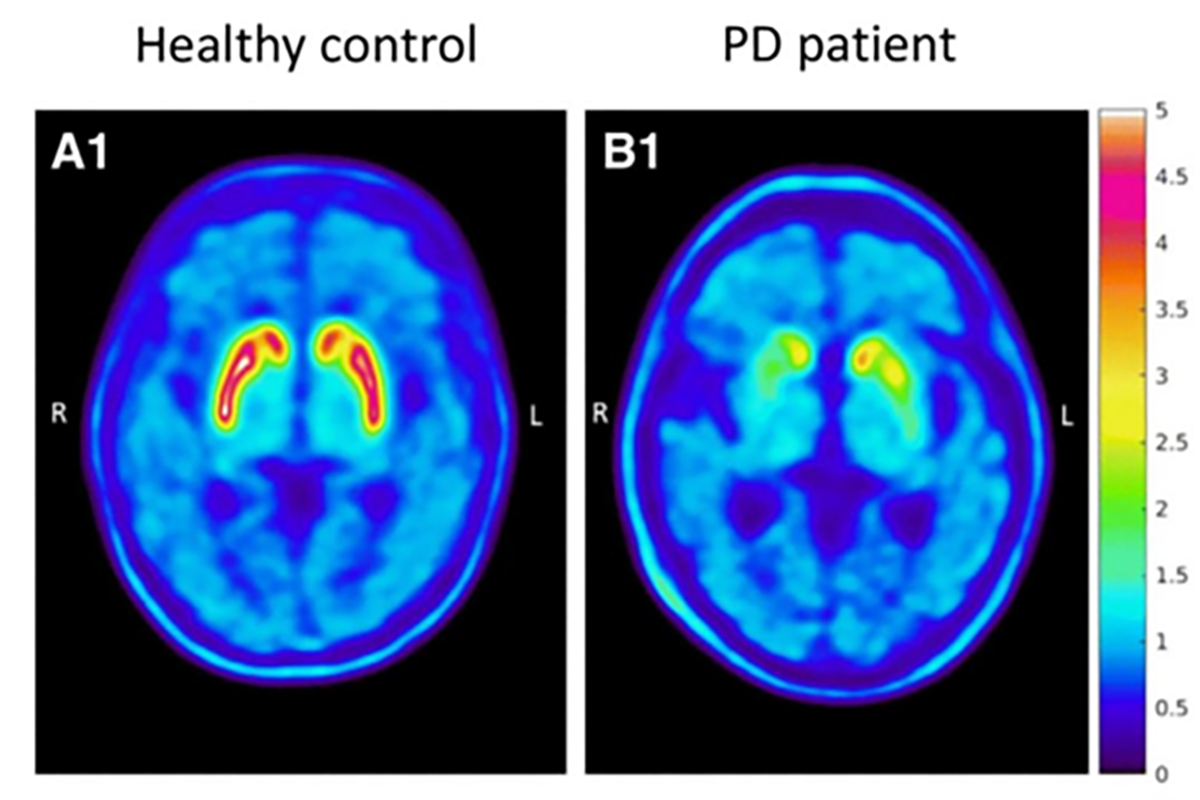
The core of Parkinson’s lies in the loss of specific nerve cells in a part of the brain called the substantia nigra. These cells are responsible for producing dopamine, a chemical messenger that acts like a “lubricant” for the brain’s movement control system.
When dopamine levels drop by about 50–60%, the brain can no longer coordinate smooth muscle movements, leading to the characteristic symptoms of the disease.
Why do these cells die?
While the exact trigger is often unknown, researchers believe it is a combination of:
- Genetics: Specific gene mutations (like GBA or LRRK2) can increase risk, though most cases are not directly inherited.
- Environmental Triggers: Long-term exposure to pesticides, herbicides, or industrial solvents.
- Protein Clumps (Lewy Bodies): The presence of abnormal protein clumps called Alpha-synuclein is a hallmark of the disease.
2. Symptoms: Beyond the Tremor
Symptoms usually begin subtly and progress over several years. They are categorized into two groups:
Motor (Movement) Symptoms
- Tremors: Rhythmic shaking, often starting in a hand or finger at rest (known as “pill-rolling” tremor).
- Bradykinesia: Extreme slowness of movement, making simple tasks like buttoning a shirt or walking difficult.
- Rigidity: Stiff or “cogwheel” muscles that can cause pain and limit the range of motion.
- Postural Instability: Stooped posture and balance issues that increase the risk of falls.
Non-Motor (Invisible) Symptoms
- Loss of Smell (Anosmia): Often one of the earliest warning signs, occurring years before tremors.
- Sleep Disorders: Acting out dreams (REM behavior disorder) or restless legs.
- Cognitive Changes: Slowed thinking, memory problems, or anxiety and depression.
- Micrographia: Handwriting that becomes progressively smaller and cramped.
3. Treatment Options: Managing the Journey
While there is currently no cure, 2026 brings more effective ways to manage symptoms than ever before.
Medication: The First Line of Defense
The goal of medication is to replenish dopamine levels.
- Levodopa/Carbidopa: The “Gold Standard” treatment that the brain converts into dopamine.
- Dopamine Agonists: Drugs that mimic the effect of dopamine.
- MAO-B Inhibitors: Help prevent the breakdown of existing dopamine in the brain.
Surgical Intervention: Deep Brain Stimulation (DBS)
For patients whose medications are no longer effective or cause “dyskinesia” (involuntary movements), DBS is a revolutionary option. It involves implanting electrodes in specific brain areas connected to a “pacemaker” in the chest.
New Frontiers for 2026
- Stem Cell Therapy: Clinical trials are now entering advanced stages, aiming to replace lost dopamine-producing neurons.
- New Oral Meds: Drugs like Tavapadon offer smoother symptom control with fewer side effects than traditional agonists.
Why Choose India for Parkinson’s Treatment?
India has become a global center for Functional Neurosurgery. Patients traveling through Blessed Health benefit from:
- Cost-Effective DBS Surgery: A DBS procedure in India typically costs between $25,000 and $30,000, compared to over $100,000 in the US.
- Top-Tier Surgeons: Access to pioneers in the field at hospitals like Medanta, Max Saket, and Fortis Gurgaon.
- Comprehensive Rehabilitation: Post-op physical, occupational, and speech therapy (LSVT LOUD) tailored specifically for Parkinson’s patients.
Take Control of Your Health
Parkinson’s is a marathon, not a sprint. Early diagnosis and a multidisciplinary approach are key to maintaining independence.
Would you like a free medical opinion from one of India’s leading Parkinson’s specialists or more information on the cost of DBS surgery?