Alzheimer’s disease is more than just “forgetfulness”—it is a progressive neurological disorder that gradually reshapes a person’s life and the lives of those who care for them. As the most common cause of dementia, it accounts for nearly 60–80% of all cases worldwide.
At Blessed Health, we believe that understanding the science and the early warning signs of Alzheimer’s is crucial for families seeking the best care. India has become a preferred destination for neurology, offering advanced diagnostics and comprehensive memory care programs at a fraction of global costs.
What Causes Alzheimer’s?
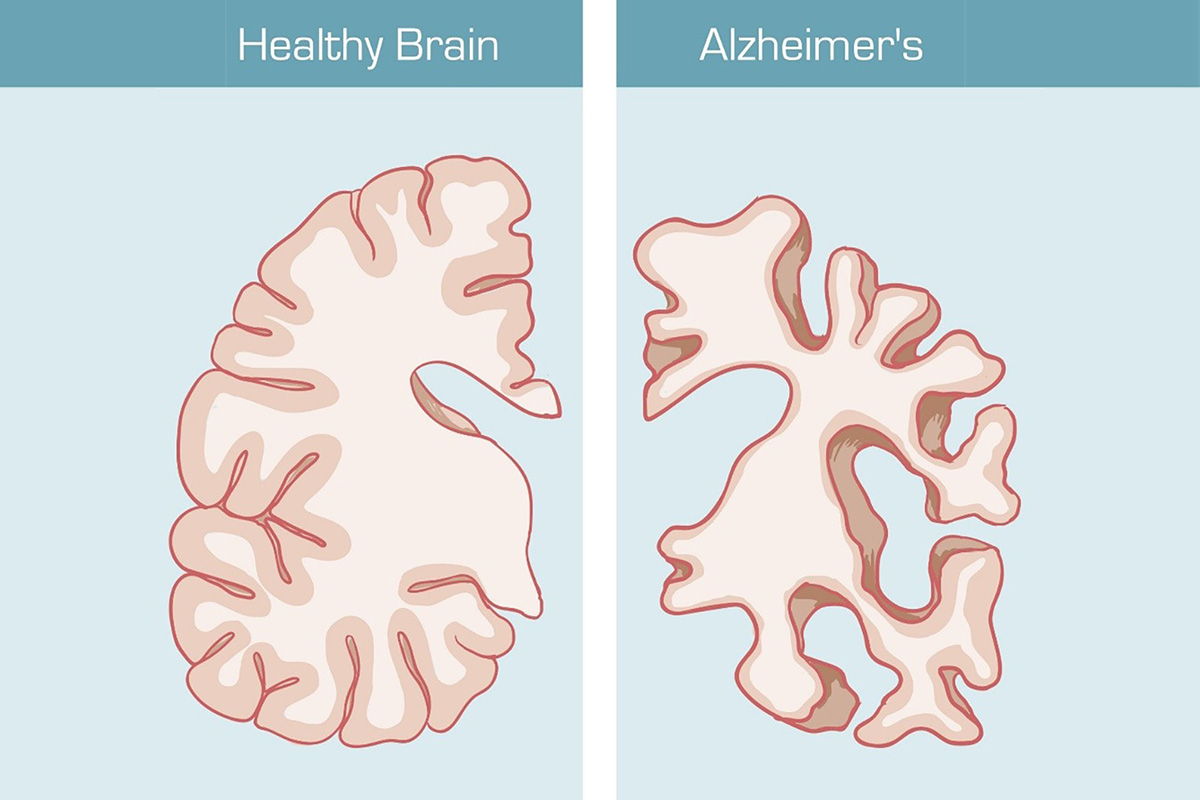
While scientists are still working to unlock the exact “trigger” for Alzheimer’s, the disease is defined by two major changes in the brain that disrupt how nerve cells (neurons) communicate:
- Amyloid Plaques: These are clumps of a protein called beta-amyloid that build up between neurons, blocking the signals that travel across the brain.
- Tau Tangles: Inside the neurons, a protein called tau collapses into twisted strands called “tangles.” This destroys the cell’s internal transport system, eventually leading to cell death.
As these plaques and tangles spread, the brain begins to shrink (atrophy), starting in the areas vital for memory and learning.
The 10 Warning Signs & Symptoms
Alzheimer’s is often categorized into three stages: Mild, Moderate, and Severe. Recognizing the early signs can lead to much better management of the condition.
- Memory Loss that Disrupts Daily Life: Forgetting recently learned information or important dates is often the earliest sign.
- Difficulty Planning or Problem Solving: Struggling with a familiar recipe or keeping track of monthly bills.
- Confusion with Time or Place: Losing track of dates, seasons, and the passage of time.
- Trouble with Visual/Spatial Relationships: Difficulty judging distance or determining color/contrast (which can make driving dangerous).
- New Problems with Words: Struggling to follow or join a conversation, or calling things by the wrong name.
- Misplacing Things: Putting items in unusual places (like a phone in the freezer) and being unable to retrace steps.
- Decreased or Poor Judgment: Making poor financial decisions or paying less attention to hygiene.
- Social Withdrawal: Stepping away from hobbies, social activities, or work projects.
- Mood and Personality Changes: Becoming confused, suspicious, depressed, fearful, or anxious.
- Difficulty Completing Familiar Tasks: Forgetting the rules of a favorite game or how to get to a familiar location.
Risk Factors: Can It Be Prevented?
While there is no single “cause,” several factors can increase the likelihood of developing Alzheimer’s:
1. Age & Genetics
- Age: The greatest known risk factor. Most cases occur in people aged 65 and older.
- Family History: If a parent or sibling has Alzheimer’s, your risk is higher.
- The APOE-e4 Gene: While not a guarantee, carrying this specific gene variant increases the risk.
2. Lifestyle & Heart Health
The brain is fueled by one of the body’s richest networks of blood vessels. What is bad for the heart is often bad for the brain.
- High Blood Pressure & Cholesterol
- Diabetes and Obesity
- Physical Inactivity
- Smoking
3. Other Modifiable Factors
Recent research suggests that hearing loss, depression, and social isolation are significant modifiable risk factors. Keeping the brain active and the body moving is the best defense we currently have.
Why Seek Alzheimer’s Care in India?
India’s top neurology centers, such as Max Super Speciality, Kokilaben Hospital, and Aster CMI, offer international patients a holistic approach to memory care:
- Advanced Diagnostics: Access to 3T MRI, PET-CT Scans, and the latest blood biomarker tests (like the new p-tau217 finger-prick tests) to detect disease early.
- Multidisciplinary Teams: Care involves neurologists, neuropsychologists, geriatricians, and specialized physiotherapists.
- Affordability: Comprehensive diagnostic workups and long-term care plans are significantly more affordable than in the US or Europe.
- Innovative Treatments: Access to FDA-approved medications (like cholinesterase inhibitors) and supportive therapies that focus on maintaining independence for as long as possible.
Is a loved one showing early signs of memory loss? Blessed Health can arrange a remote cognitive assessment with a leading Indian neurologist. Would you like to schedule a consultation?